

Vehicle Tax Deduction At Ford Wickenburg, Arizona, Official Guide

Understanding the Section 179 deduction, a tax write-off for a vehicle over 6,000 pounds, can result in significant tax relief when purchasing a work truck or van. Plus, with a major increase to limits in recent years, you can likely expense a significant portion of the cost of your next new or used workhorse. For instance, heavy-duty vehicles with a gross vehicle weight rating (GVWR) that's between 6,001 and 14,000 pounds1 – most Ford Super Duty vehicles fall in this category – qualify for a deduction of up to 100% of the vehicle's cost with an annual deduction cap of $2,560,000, effectively letting you expense the entire cost (or a significant portion) of work vehicles, provided they go into service by December 31, 2026.2
With these potential deductions on the line, now's the perfect time to visit us at Jones Ford Wickenburg and find your F-150, F-250, F-350, F-450, or Transit Cargo/Passenger Van. Before you bolster your fleet, let's drill down into the details of how you can leverage such deductions.
What Are Section 179 Tax Deductions?
A Section 179 deduction is a business aid that lets you deduct up to the total cost of equipment, including vehicles with minimum business use of over 50%, from your taxable income for the year it was placed into service, rather than spreading it out.2 This deduction has an annual cap of $2.56 million with a dollar-for-dollar reduction phase-out beginning at $4.09 million and a complete phase-out at $6.65 million.2 There are three vehicle categories that qualify for varying deductions, each hitting different Section 179 weight requirements:
- Vocational & Specialized: Vehicles with a GVWR over 14,000 pounds,1 such as heavy trucks, large buses (20+ seats), specialized equipment, delivery trucks, permanently modified vans, and special-purpose vehicles.
- Heavier Passenger Vehicles: SUVs, trucks, and vans with a GVWR between 6,001 and 14,000 pounds.1
- Cars & Light Trucks: Traditional passenger vehicles with a GVWR of 6,000 pounds or less.1
What Are the Section 179 Limits for 2026?
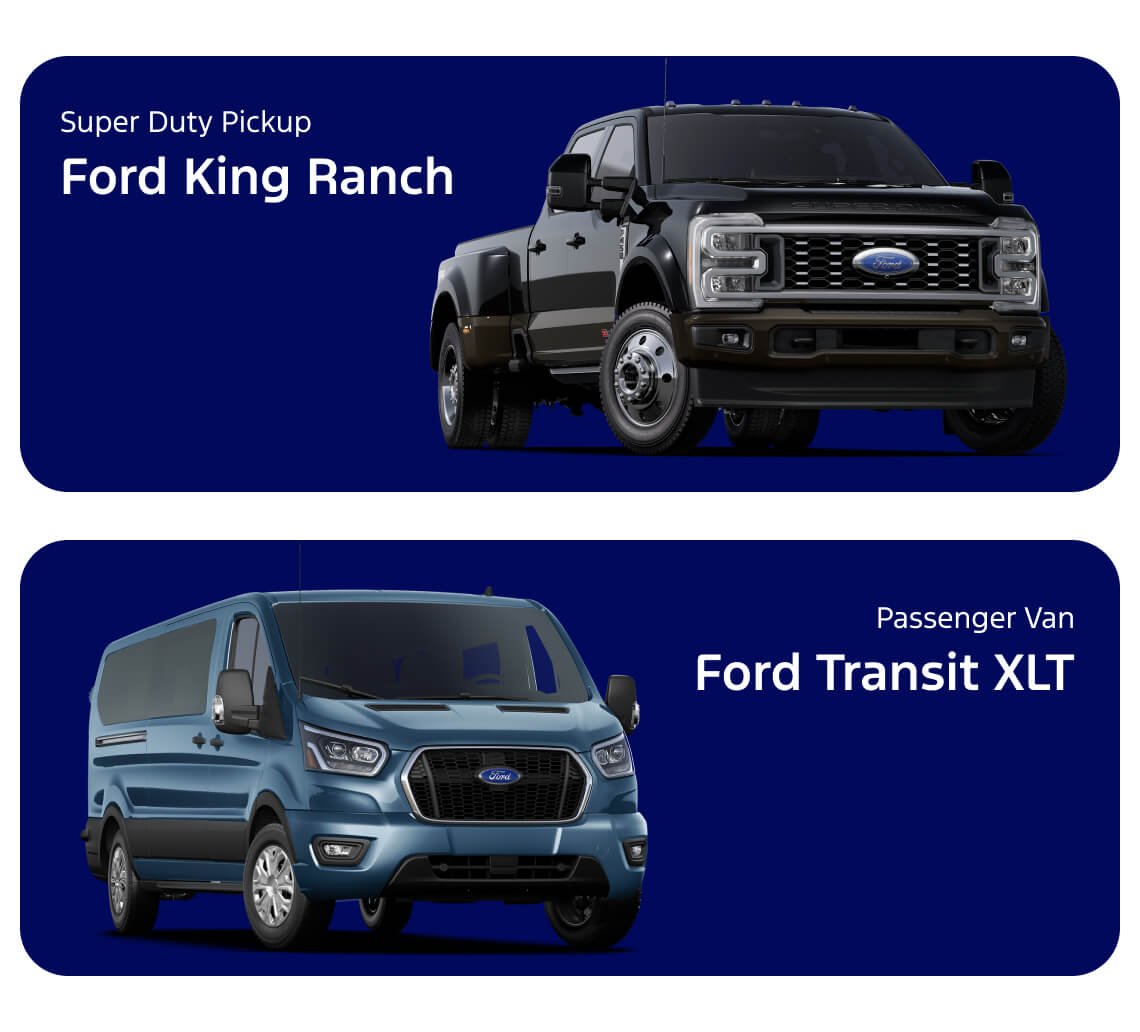
Many, if not all, of our light-duty trucks, Ford Super Duty vehicles, and transit and cargo vans fall within the Section 179 vehicle weight limit,1 meaning they qualify for a full Section 179 vehicle deduction.2 SUVs that have a GVWR between 6,001 and 14,000 pounds and are used more than 50% of the time for business purposes are also eligible for a deduction of up to $32,000, with potential additional bonus depreciations up to the model's full value.2 Here's what they need to qualify for the tax write-off for a vehicle over 6,000 pounds:
- GVWR: Must have a GVWR between 6,001 and 14,000 pounds.1,2
- Business Use: The vehicle must be used for business purposes more than 50% of the time.2
- In-Service Date: Must be placed into service by December 31, 2026, to qualify for your 2026 tax filing.2
- Annual Cap: You can deduct up to $2.56 million annually for the purchase of business equipment.2
- Phase-Out: A dollar-for-dollar reduction will be introduced at $4.09 million, with a complete phase-out at $6.65 million.2
These are specifically the requirements and limitations for the heavier passenger vehicle category. If you're considering new work vehicles in one of the other Section 179 GVWR categories, ask our team about their requirements and limitations.
Learn More About the Section 179 (Over 6,000 Pounds) Deduction & 2026 Updates at Jones Ford Wickenburg
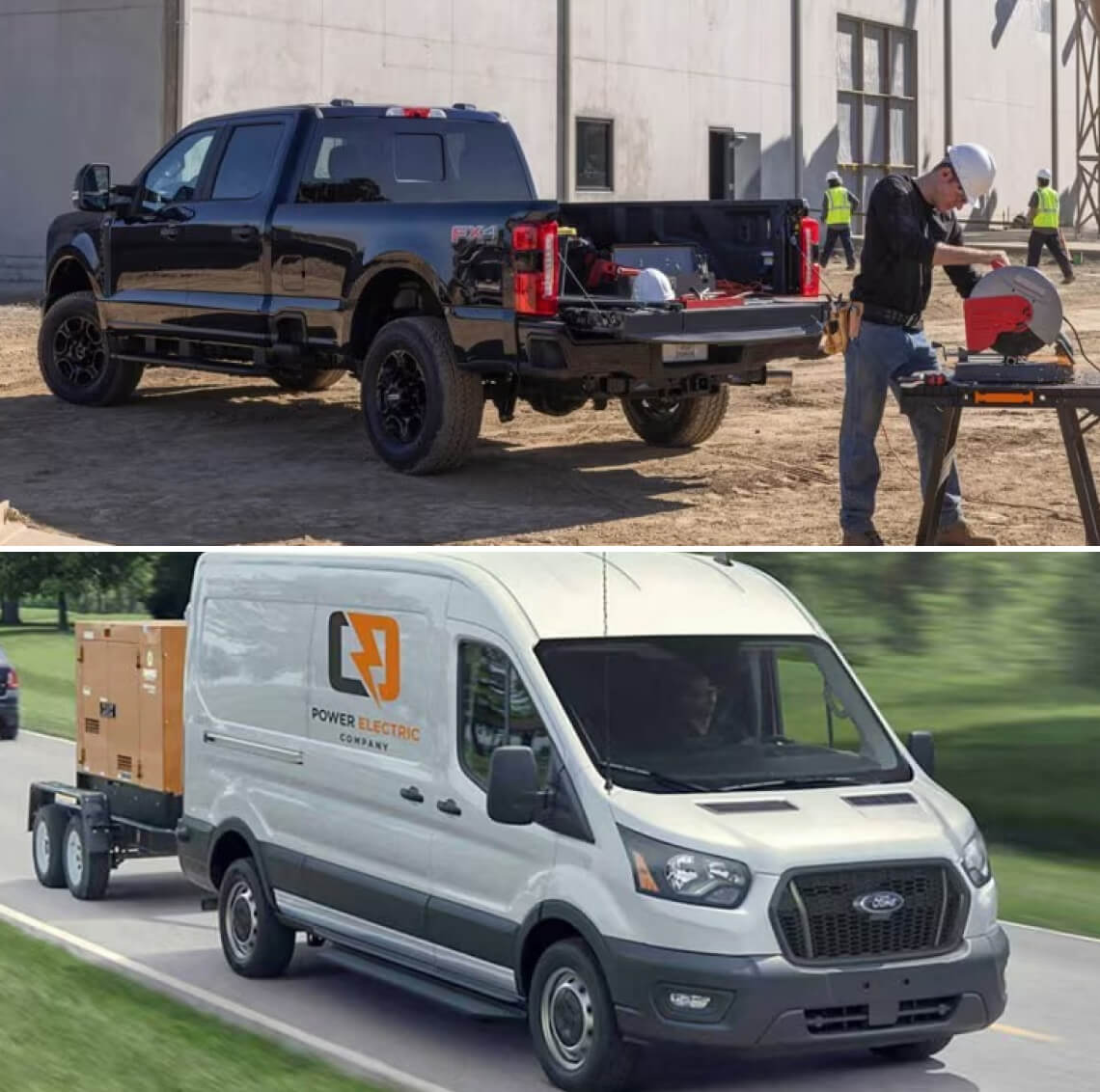
This year can be one of the most profitable times to purchase heavy-duty models for your business and take advantage of this tax write-off for a vehicle over 6,000 pounds, but you'll want to act fast. Our dealership's inventory of new Ford vehicles hosts dozens of pickups, vans, and even SUVs that can qualify for a major Section 179 deduction.
Frequently Asked Questions
Which Ford vehicles typically qualify?
The most common vehicles businesses choose that qualify are the Ford F-250, F-350, and F-450 Super Duty models. These commercial-grade trucks generally fall within the Section 179 truck weight criteria. You can also expect some iterations of a light-duty Ford F-150 and Ford Transit Cargo or Passenger van to meet these weight requirements.1 Ultimately, you have plenty of options.
What's the 2026 "SUV cap?"
Unlike trucks and vans, the "SUV cap" limits the amount you can deduct under Section 179 when purchasing an SUV that has a GVWR between 6,001 and 14,000 pounds.1,2 For the 2026 tax year, you can deduct up to $32,000 for these sport-utes, though they may also qualify for bonus depreciation of up to the vehicle's full amount.2 Contact us to learn more.
Do passenger cars under 6,000 pounds qualify?
Yes, passenger cars under the Section 179 vehicle weight requirement of 6,000 pounds can still qualify for benefits on a sliding scale.2 For instance, a model in this weight category that is used 100% for business is eligible for a larger deduction than one that is also used for personal driving. To find out more, reach out to the financial experts at Jones Ford Wickenburg.
1GVWR ratings assume vehicles are properly equipped with manufacturer-recommended towing setups. Actual weight capacities may vary.
2The information supplied here is provided by your local Ford Dealer as a public service to its customers. It should not be construed as tax advice or as a promise of potential tax savings or reduced tax liability. Individual tax situations may vary. Federal rules and tax guidelines are subject to change. For more information about the Section 179 expense write-off or other business vehicle expense write-offs, you should consult your tax advisor for complete rules applicable to your transaction and visit the Internal Revenue Website at www.irs.gov.