

Explore Ford EV Incentives & Federal Tax Credit At Wickenburg Dealer

EV tax credit laws change at lightning speed, and a recent bill has severely altered U.S.-based EV incentives. If you're considering Ford electric vehicles to lower your fuel spend and promote sustainable driving, you'll want to make a decision quickly before your federal EV tax credit opportunity fades away.
To save you valuable time, our Jones Ford Wickenburg staff has organized all the latest Ford EV tax credit information below. We explore which Ford electric vehicles for sale still qualify for EV tax credit, upcoming changes in EV tax credit law, and how these changes will affect car shoppers across the nation.
EV Tax Credit at a Glance
In the world of federal tax credit for electric cars, 2025 is a year full of change. Here's how to maximize your deductions.
- Shop In-Stock Ford EVs: Select new F-150 Lightning trims are available and qualify for the current EV tax credit.
- Earn Up to $7,500 in EV Tax Credit: Choose an F-150 Lightning Flash, Lariat, or XLT trim to qualify.1
- Act Before September 30, 2025: All current federal EV tax credit incentives will be discontinued after this date, so lease or purchase your F-150 Lightning now to lock in savings.
- Extra Incentives Available: A new EV tax credit law, in effect from 2025 through 2028, will allow up to $10,000 per year in auto loan interest deductions for U.S.-assembled EVs.2
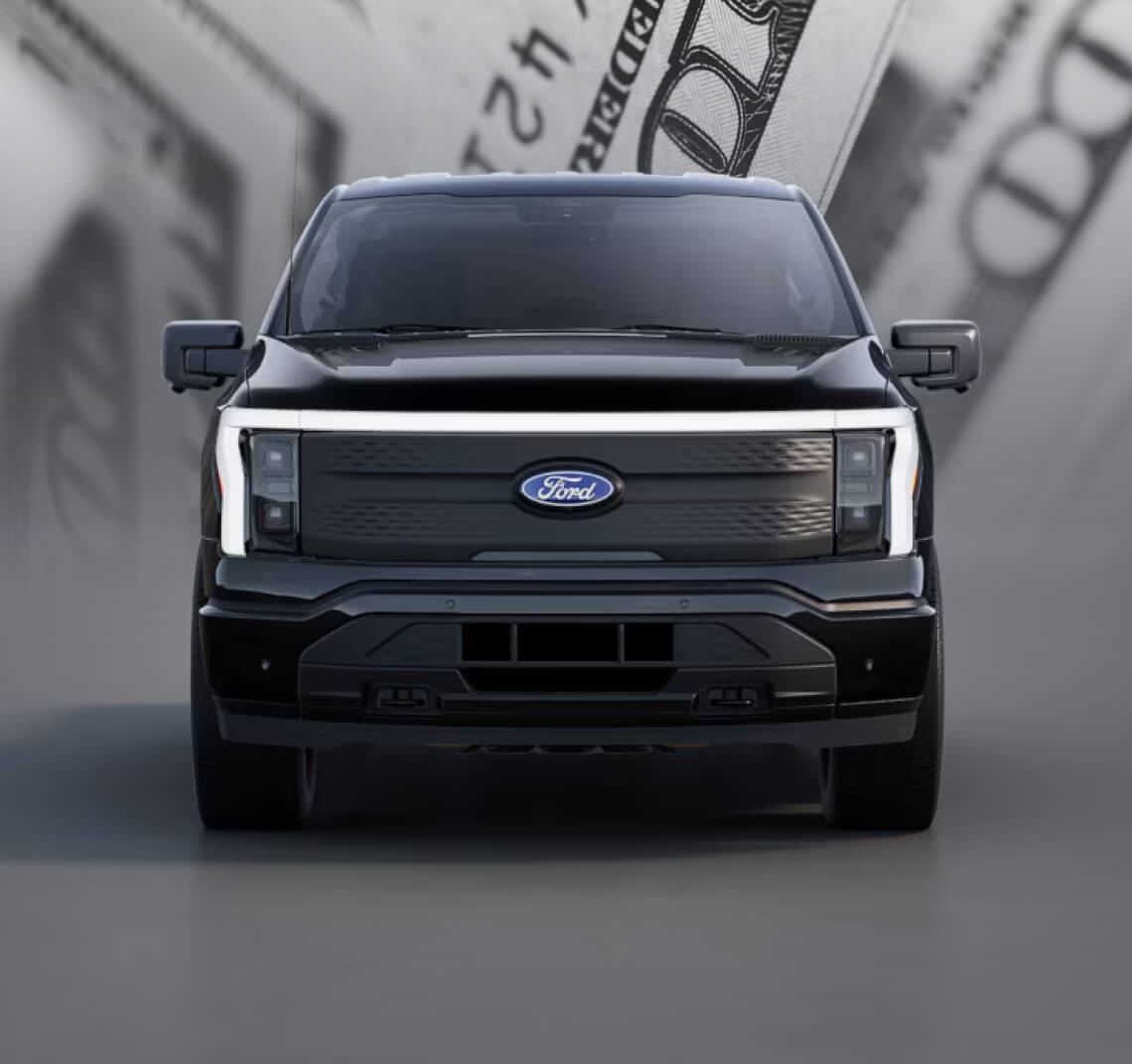
What's the Current EV Tax Credit Law?
As of July 2025, U.S. law states that eligible leased or financed electric and plug-in electric vehicles come with these benefits:
- New EVs and PHEVs: Up to $7,500 in EV tax credit for truck, van, and SUV MSRPs not exceeding $80,000 or a car MSRP that is $55,000 or less3
- Used EVs and PHEVs: Up to $4,000 in EV tax credit if price is $25,000 or less3
- Home EV Charging Stations: Credit for 30% of charging equipment and installation costs, up to a maximum of $1,0004
- Income Requirements for New EVs and PHEVs: Modified AGI less than $300,000 if filing Married, less than $225,000 if filing Head of Household, and less than $150,000 if filing any other status3
- Income Requirements for Used EVs and PHEVs: Modified AGI less than $150,000 if filing Married or Surviving Spouse, less than $112,500 if filing Head of Household, and less than $75,000 if filing any other status3
Which Ford Electric Vehicles for Sale Are Still Eligible?
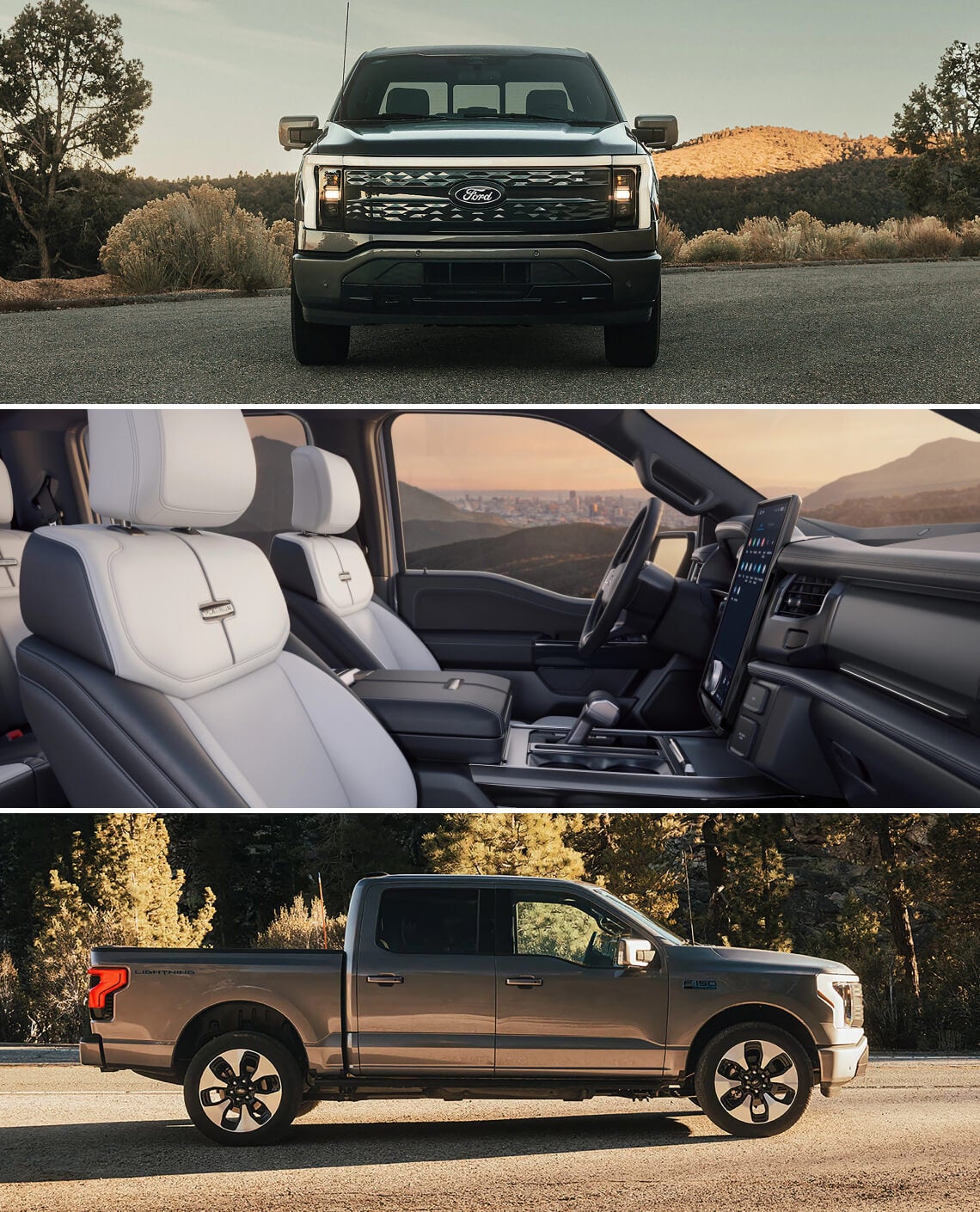
Three gorgeous Ford electric vehicle trims currently qualify for EV tax credit: 2025 and 2024 Ford F-150 Lightning Flash, Lariat, and XLT variants. Household income also plays a role in EV tax credit eligibility, so before you visit our showroom to tour our Ford electric vehicles for sale, here's a closer look at the new F-150 Lightning EV tax credit requirements.
New Ford F-150 Lightning
Select Ford F-150 Lightning trims, including Flash, Lariat, and XLT, qualify for EV tax credit no matter how you choose to pay. Cash, finance, or lease, this electric truck is eligible for the full $7,500 tax rebate as long as the MSRP doesn't exceed $80,000 and you meet current income requirements.1,3 You can choose to apply your EV tax credit at signing or when you file your taxes next April.1 Learn more about the F-150 Lightning and other Ford electric vehicles with our Ford models comparison.
New Ford Mustang Mach-E & Escape PHEV
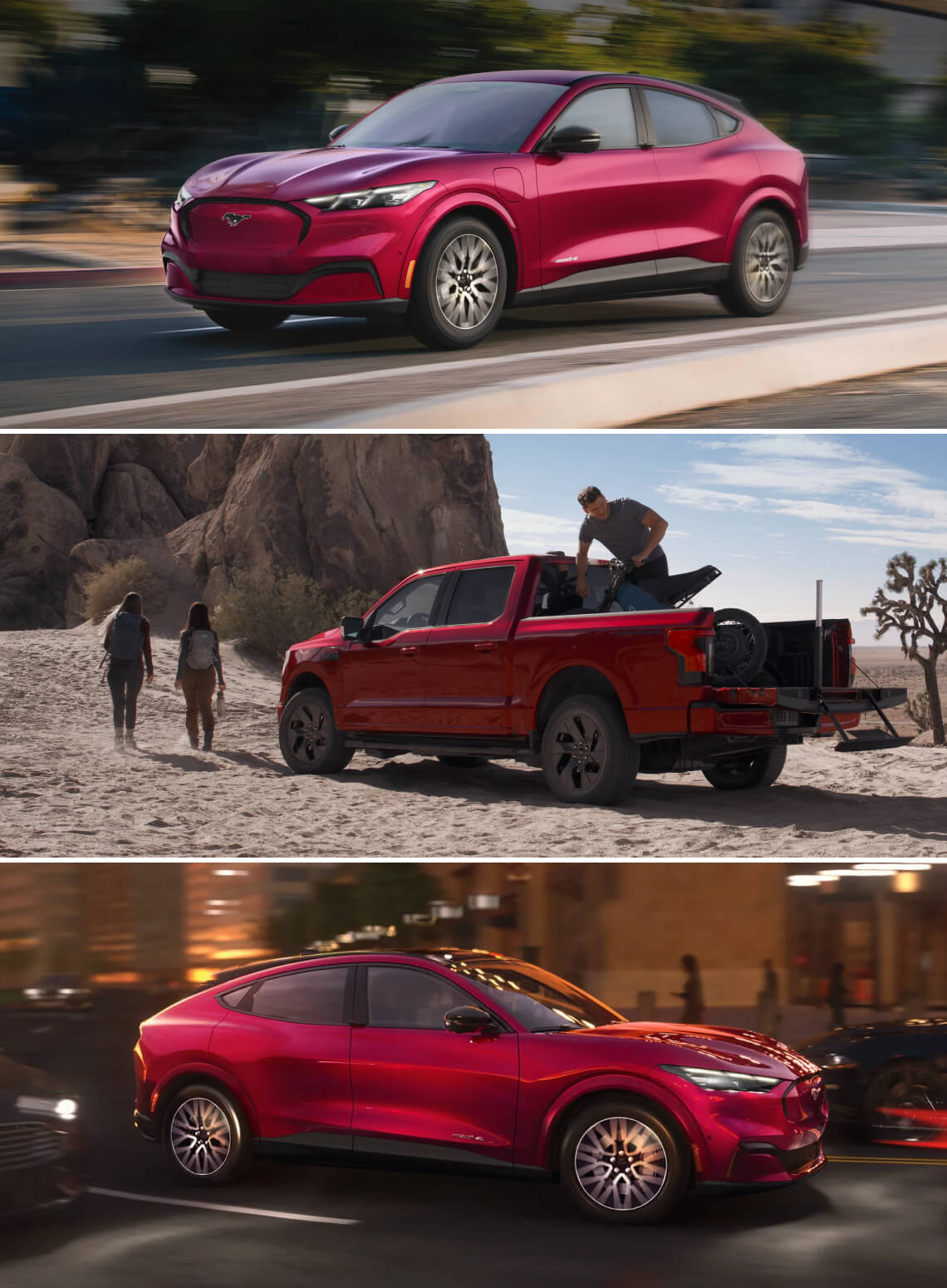
New federal battery sourcing guidelines have taken away any federal EV tax credit for the Mustang Mach-E and Escape PHEV, but drivers interested in leasing or financing these electric vehicles can still save with our competitive Jones Ford Wickenburg incentives. You can even click over to our Ford Mustang Mach-E vs. Kia EV6 review to see how the Ford EV offers longer range and more cargo space than its rival!
What's Changing About EV Tax Credit?
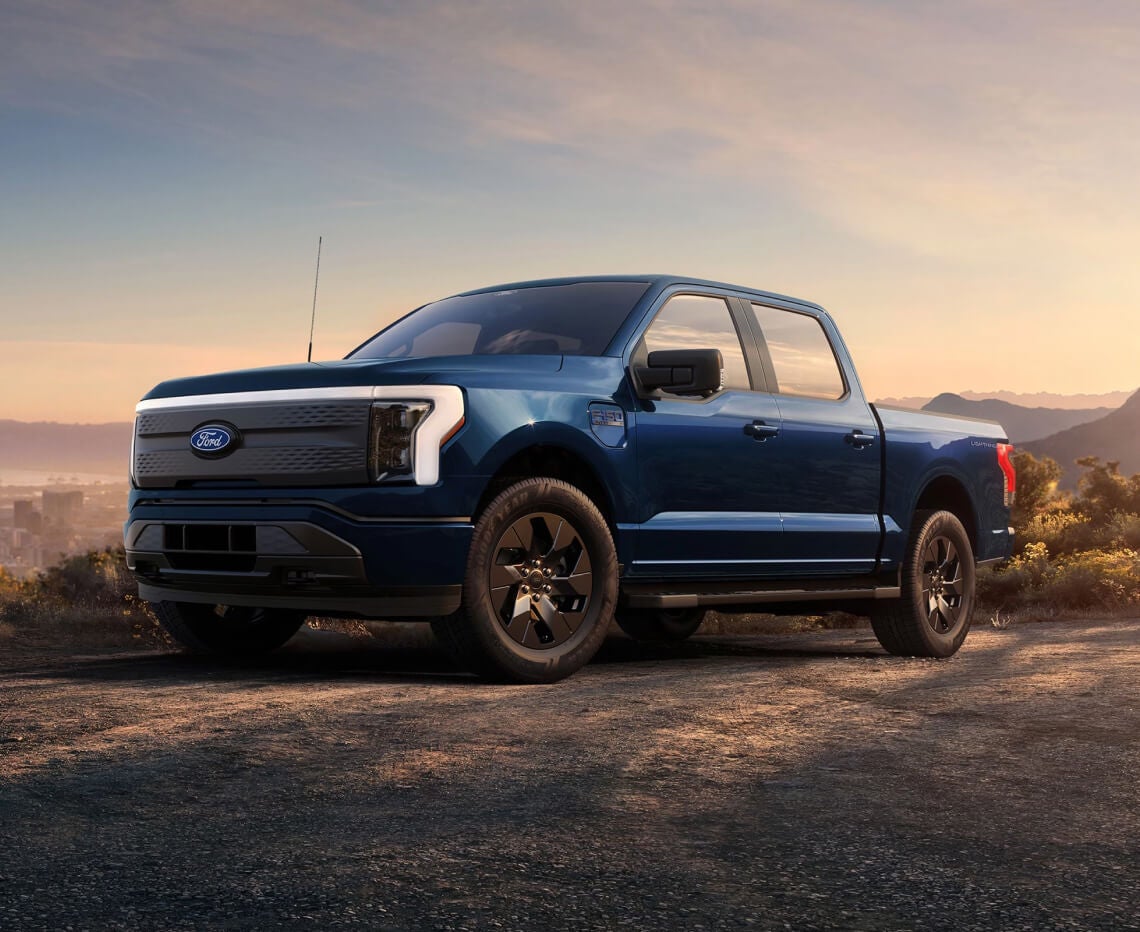
A new bill passed in July 2025 will end the Ford federal tax credit – and every automaker's EV credit – in just a few months. Unfortunately, this new bill affects consumers and automotive dealers alike, so pay close attention to these deadlines:
- September 30, 2025: All U.S. EV tax credit offers for qualified electric and plug-in hybrid vehicles will disappear.
- June 30, 2026: All U.S. EV tax credit incentives for home EV charging station installation or equipment, along with other green energy tax breaks, will disappear.
It's important to note that existing EV purchases made before the September 30, 2025, cutoff are still eligible for the current EV tax credit when filing taxes.

Brand-New EV Tax Credit Benefits
These fast-approaching EV tax credit changes are major, but hope for a future of sustainable driving is not lost. The July 2025 bill, which cuts current EV tax credits, is also introducing a new, potentially bigger deduction opportunity. Called the "No Tax on Car Loan Interest" deduction, the new bill includes the following provisions:
- New Deduction: Effective from 2025 through 2028, financed electric or plug-in electric vehicles qualify for an annual tax deduction up to $10,000.2
- New Deduction Rules: Shoppers may deduct interest paid on a loan used to purchase a qualified vehicle, provided the vehicle is purchased for personal use and meets other eligibility criteria.2
- New Deduction Exclusions: Leased vehicles are not included in this deduction, and financers' modified AGIs must not exceed $200,000 for Married filers or $100,000 for all other filings.2
Are Electric Vehicles Still Worth It?
If you love nothing more than to lease a new EV or PHEV, these tax updates are likely disappointing – plus, if you act fast, you can still take advantage of the big upfront savings. Before you abandon your natural inclination toward sustainable driving altogether, let's zoom out and look at the bigger picture. Electric and plug-in electric models still offer enormous benefits, so let's take a look at how adding an EV to your life could still be a wallet- and eco-friendly choice.
Gas vs. Electric Car Savings
It's widely known that electric car maintenance costs are typically far less than maintenance expenses for gas-powered vehicles, not to mention their lower fuel costs. They also have fewer powertrain and internal components, meaning there's less that could go wrong, and their recommended maintenance intervals are fewer and farther between than ICE variants.
EV Charging Station Growth
According to the Department of Energy, the state of Arizona has at least 1,323 publicly accessible EV charging stations.5 Even better, all new Ford vehicles discussed here come with NACS ports or adapters, so you can power up at any public EV charging station, including Tesla Superchargers.
Top-Notch EV and PHEV Safety
If you're searching for which vehicles are safest, electric cars tend to top those lists. Ford electric vehicles in particular come equipped with safety features like Pre-Collision Assist with Automatic Emergency Braking, a 360-Degree Camera, and Evasive Steering Assist.
Claim Every EV Tax Credit Opportunity at Jones Ford Wickenburg
Jones Ford Wickenburg invested in sustainable driving, which means we're also committed to educating our customers and helping them make informed decisions. Reach out to our team with any EV tax credit questions, or browse our website to find convenient EV reference pages like our Guide to Ford EV Home Charging.
Frequently Asked Questions
Which Ford vehicles qualify for the tax credit?
Until September 30, 2025, one Ford electric vehicle will qualify for federal EV tax credit deductions: the 2024 and 2025 F-150 Lightning in Flash, Lariat, and XLT variants.1 Specific used Ford electric vehicles also still qualify for current EV tax credit until September 30, 2025.1 If Ford shifts its production sites to U.S.-based facilities, more Ford electric vehicles may become eligible for EV tax credit.
Are there price limits on the vehicles?
Yes, current EV tax credit law states that new electric vans, trucks, and SUVs must not exceed an MSRP of $80,000 and cars must not exceed $55,000 to qualify for federal deductions, and used EVs must not be priced above $25,000 to qualify.2 The current EV tax credit law also places restrictions on modified AGI, so double-check to make sure you qualify.
When does this tax credit expire?
Current federal EV tax credit deductions will expire on September 30, 2025,1 while current EV tax credits for home EV charging station equipment and installation will expire on June 30, 2026. However, a brand-new tax deduction for EV auto loans has also been enacted and will offer up to $10,000 in annual tax deductions on loan interest between 2025 and 2028.2
1Please consult with your own tax or legal professional to determine eligibility, specific amount of incentives or rebates available. The amount of your tax savings will depend on your individual tax circumstances. The Inflation Reduction Act, effective as of August 16, 2022 and pending further IRS guidance, introduces additional requirements for federal tax credit eligibility. This information does not constitute tax or legal advice.
2Reference to this third-party review/claim is solely for informational purposes and not to be relied upon. For more details, please visit https://www.irs.gov/newsroom/one-big-beautiful-bill-act-tax-deductions-for-working-americans-and-seniors#:~:text=New%20deduction:%20Effective%20for%202025%20through%202028%2C%20individuals%20may%20deduct,Maximum%20annual%20deduction%20is%20$10%2C000.
3Reference to this third-party review/claim is solely for informational purposes and not to be relied upon. For more details, please visit https://www.kiplinger.com/taxes/ev-tax-credit#:~:text=The%20federal%20tax%20credit%20for,price%20caps%20remain%20in%20effect.
4Reference to this third-party review/claim is solely for informational purposes and not to be relied upon. For more details, please visit https://www.kiplinger.com/taxes/605201/federal-tax-credit-for-electric-vehicle-chargers.
5Reference to this third-party review/claim is solely for informational purposes and not to be relied upon. For more details, please visit https://afdc.energy.gov/stations/states